The Key Benefits of Professional Tree Impact Assessments for Your Development Project
Primary keyword: tree impact assessments
Secondary keywords: arboricultural consulting, BS5837, development projects, planning applications, London tree surveys, tree risk management, sustainability, subsidence risk, TPO advice, woodland management
When it comes to construction and planning in London and the South East, professional tree impact assessments are critical for ensuring a successful outcome for your project. Conducted as part of overall arboricultural consulting, these assessments not only safeguard your investment but also support regulatory compliance and environmental responsibility. If you want proven advantages for your development, a thorough tree impact assessment is indispensable.
Understanding Tree Impact Assessments
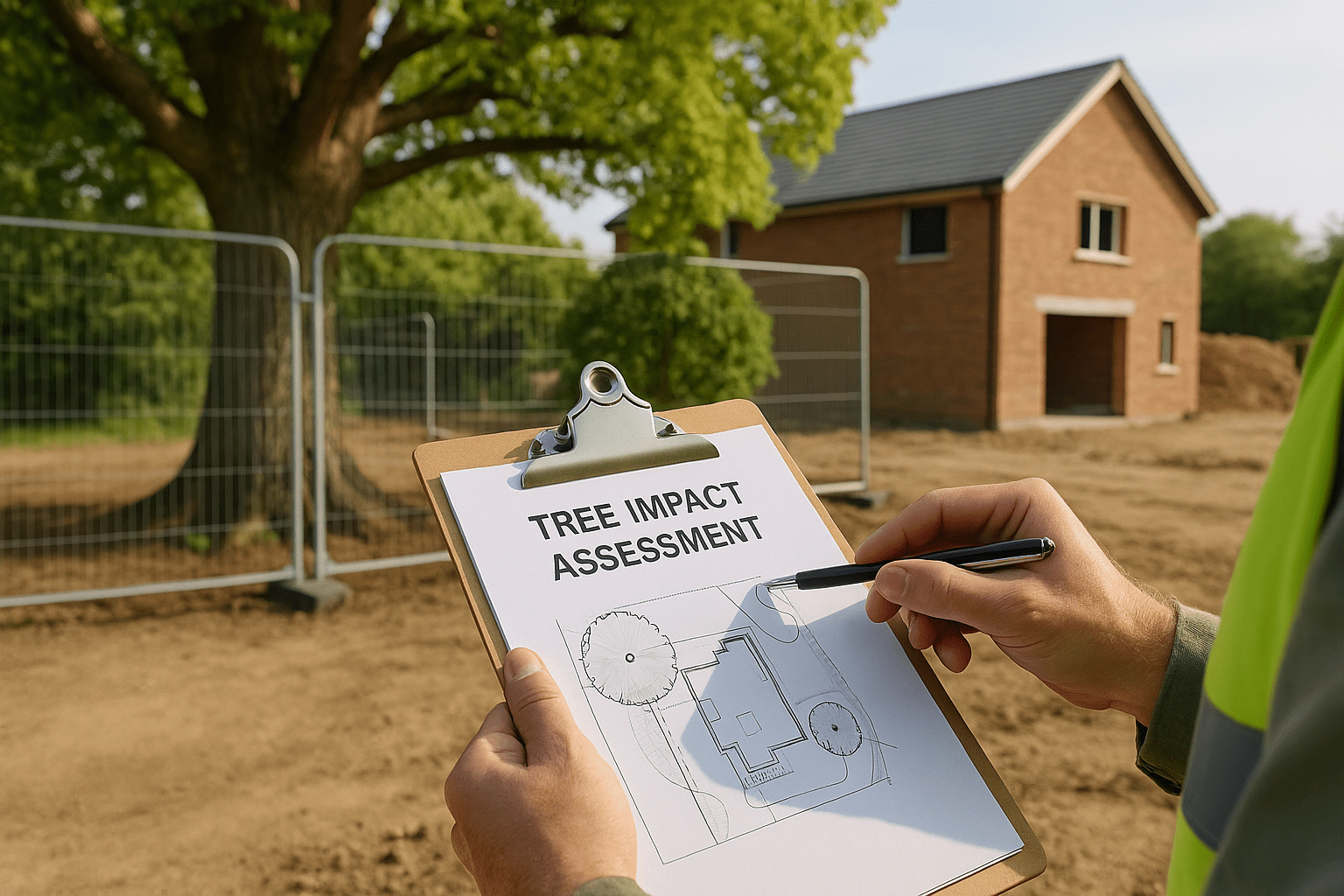
Tree impact assessments, often required under BS5837:2012 Trees in Relation to Design, Demolition and Construction, provide a systematic analysis of how proposed developments will affect existing trees on and around a site. These reports form a key part of planning applications for both residential and commercial developments.
Why Local Authorities Require Tree Impact Assessments
- To ensure proper management of protected trees, especially those subject to Tree Preservation Orders (TPOs)
- To evaluate and mitigate potential risks to public safety and property
- To demonstrate a commitment to urban biodiversity and green infrastructure
- For compliance with national and local planning policies
Without an adequate tree impact assessment, your proposal may face expensive delays or outright rejection.
Proven Advantages of Investing in a Tree Impact Assessment
1. Smooth Planning Application Process
Tree impact assessments, conducted by qualified consultants, provide local authorities with clear, factual information. This facilitates smoother, faster, and more favourable planning decisions. Comprehensive surveys are often viewed positively by planning officers, increasing your project’s chance of approval.
2. Risk Reduction and Cost Savings
Identifying trees to be retained, and those that could pose development challenges, helps avoid expensive mistakes. Early detection of subsidence risk and evaluation of the structural impact of construction on root systems can prevent disputes and claims later. To understand the connection between trees and structural issues, see more at subsidence and tree-related building damage.
3. Compliance with Legislation and TPOs
Fines and delays can stem from unauthorised works affecting protected trees. Detailed tree impact assessments demonstrate your commitment to legislative compliance, minimising risk of enforcement action. For projects involving TPOs, our consultancy offers tailored TPO advisory services.
4. Enhanced Site Management and Sustainability
Through robust data, you can plan construction work to protect tree health and maintain amenity value. Effective retention and management of important trees benefits both future residents and the local ecosystem. Sustainable management supports Net Biodiversity Gain objectives, in line with UK government green planning guidance.
5. Improved Reputation with Stakeholders
Demonstrating environmental stewardship through professional tree surveys and impact reports builds credibility with planning authorities, neighbours and prospective buyers alike. This can translate into tangible project value and reduced reputational risk.
What to Expect from a Professional Tree Impact Assessment
A credible consultant will:
- Undertake a BS5837 compliant tree survey and categorisation
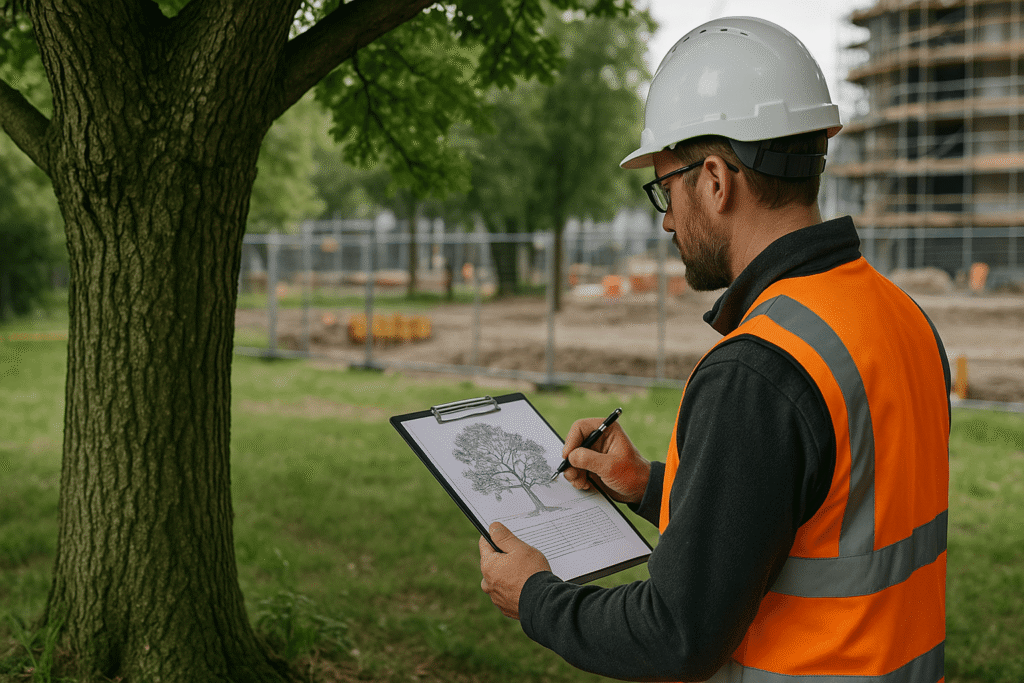
- Plot position, size, species and condition of all relevant trees
- Assess root protection areas and advise on constraints or design opportunities
- Provide clear recommendations to protect valuable trees
- Support your application with plans, maps and digital data
- Propose mitigation strategies where unavoidable impacts occur
Complete and accurate tree impact assessments stand up to planning scrutiny and help keep your project on schedule.
When Should You Commission a Tree Impact Assessment?
Best practice is to instruct a consultant before finalising your layout or submitting your application. Early involvement allows for efficient design modifications—saving considerable time and costs. Tree-related issues flagged late in the process can necessitate extensive, expensive redesign.
Integrating Tree Risk and Management Plans
Many development projects also benefit from tree risk assessment surveys and mitigation planning. By identifying hazardous trees in advance, you safeguard both people and property, meaning construction work can proceed safely.
Why Choose MDJ Arboricultural Consultancy?
With 15+ years of practical and technical experience across London and the South East, our independent consultancy combines advanced knowledge, a client-centred approach, and a track record of successful project deliverables. All services, including woodland management, are tailored to your needs.
For trusted tree impact assessments that protect your interests and reputation, contact the experts at MDJ Arboricultural Consultancy. 07780336000 or use the contact form here.
External References
- UK Government Guidance on Protecting the Natural Environment
- Arboricultural Association Guide to BS5837:2012
FAQs
- Q: What is a tree impact assessment?
- A: A tree impact assessment evaluates how proposed developments may affect existing trees, helping to inform planning decisions and meet regulatory standards.
- Q: Is a tree impact assessment required by law?
- A: Most local authorities require a tree impact assessment for applications involving trees, especially protected species or those near property boundaries.
- Q: How does a tree impact assessment benefit property owners?
- A: It reduces planning risk, prevents costly delays, and ensures trees are managed responsibly throughout development, supporting overall project value and compliance.
- Q: Can MDJ Arboricultural Consultancy help with TPOs?
- A: Yes. We provide expert advice on tree preservation orders (TPOs), supporting compliance and project success.
- Q: When should I commission a tree impact assessment?
- A: As early as possible in your project, ideally before you finalise layouts or submit your planning application.
- Q: Who carries out tree impact assessments?
- A: Qualified arboricultural consultants with experience in BS5837 surveys and local planning requirements handle these assessments professionally.