Avoid Costly Delays with Professional Tree Impact Assessments
If you are planning a property development, extension, or any project involving construction near trees, accurate tree impact assessments are vital. Failing to secure robust assessments can lead to expensive project delays, refusals in planning permission, or unforeseen compliance headaches. At MDJ Arboricultural Consultancy, our experienced consultants help residential and commercial clients in London and the South East save time, manage risk, and gain planning approvals smoothly.
Why Tree Impact Assessments Matter for Construction Success
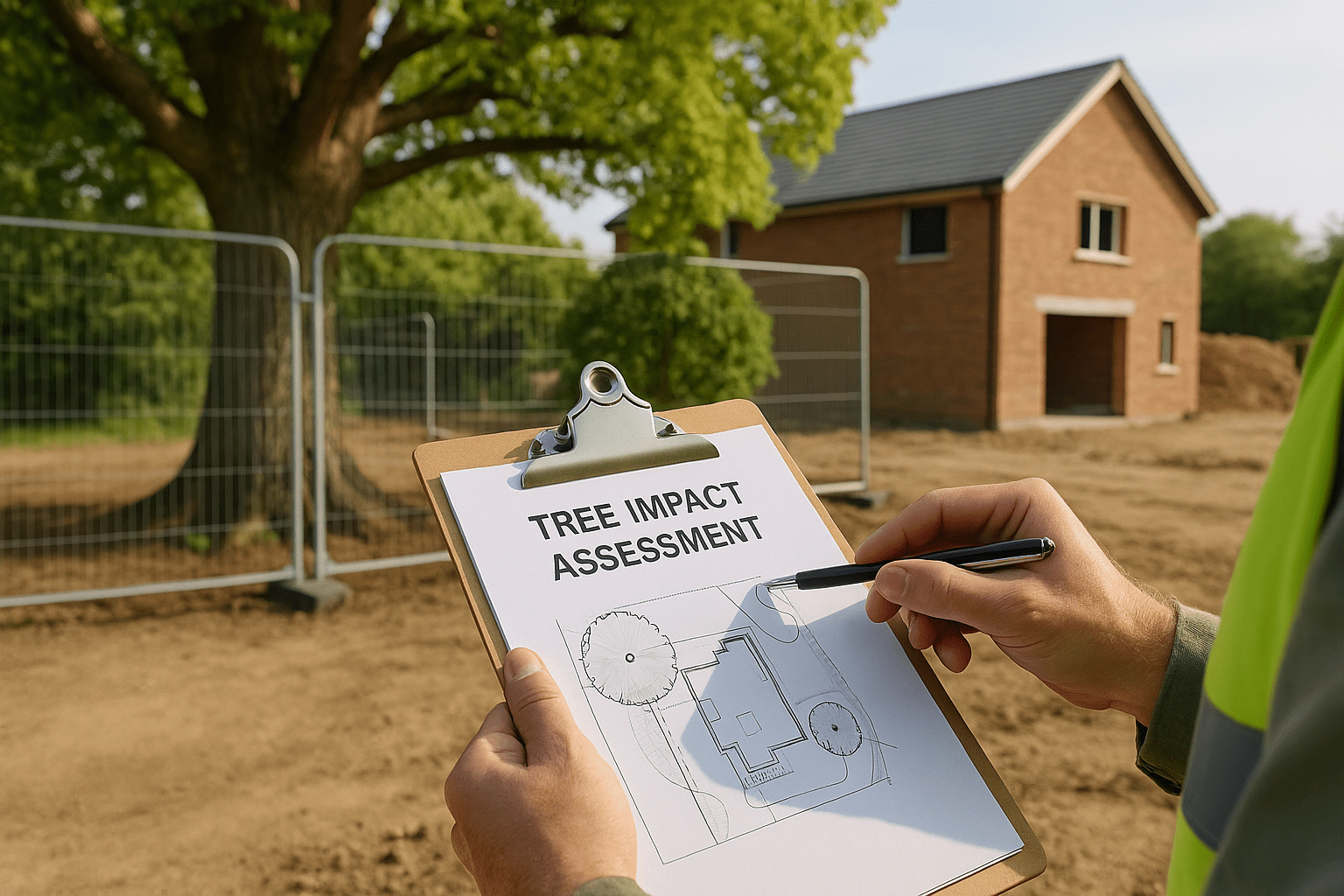
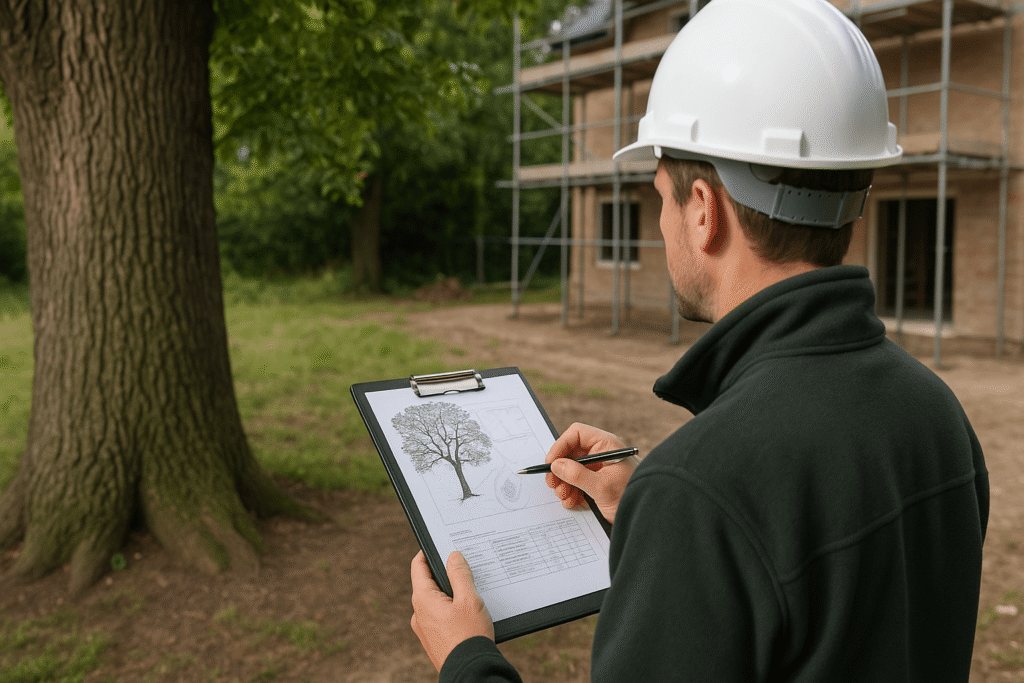
Trees are protected by strict UK regulations, including the Town and Country Planning Act and BS5837:2012 guidelines. Local councils expect detailed documentation, especially when trees may be impacted by development. A tree impact assessment analyses how construction may affect existing trees and concretely demonstrates how you plan to protect them.
- Reduces the risk of planning application refusals
- Prevents costly delays due to insufficient documentation
- Identifies constraints and opportunities early in the project
- Demonstrates responsible management of protected trees
By investing in a professional tree impact assessment early, you mitigate against unexpected complications and show that your project respects ecological and legal requirements.
How Tree Impact Assessments Support Your Planning Process
Detailed tree impact assessments, following the BS5837:2012 standard, provide comprehensive insights tailored for architects, developers, and homeowners alike. A proper assessment includes:
- Surveying existing trees on site and grading their condition, value, and legal protection
- Identifying root protection zones and tree constraints
- Advising on the impact of proposed building works
- Recommending mitigation strategies, such as protective fencing or changes to foundation design
- Delivering clear, council-compliant tree reports for submission with your planning application
Government guidance on Tree Preservation Orders (TPOs) underscores the importance of arboricultural input when planning near protected trees. Ignoring these processes often leads to enforcement action or expensive project redesigns.
The MDJ Arboricultural Consultancy Advantage
Choosing MDJ Arboricultural Consultancy means peace of mind. Our consultants bring:
- Over 15 years of practical and technical experience
- In-depth knowledge of London and South East local authority requirements
- Prompt response times for site visits and tree reports
- Clear advice on optimising designs to keep trees and planning officers happy
Whether your scheme is a small home extension or a large commercial development, our expert tree surveys and impact assessments equip you for smoother planning and long-term project success.
Common Issues Prevented by Tree Impact Assessments
Uninformed building works can compromise tree roots, destabilise mature trees, or breach Tree Preservation Orders. All may result in:
- Legal and financial penalties
- Delays due to additional surveys or enforcement
- Damage or loss of valuable landscape features
Working with a professional arboriculturist can avoid these negative outcomes and support healthier, more sustainable urban development. For in-depth support with TPOs, review our service for Tree Preservation Orders (TPOs).
The Process: From Survey to Successful Planning Outcome
Every project starts with a site survey by a qualified arboricultural consultant. The process includes:
- On-site assessment using BS5837 methodology
- Production of a constraints plan, root protection area map, and arboricultural impact appraisal
- Mitigation advice and recommendations for tree protection
- Preparation of supporting documents for planning submission
- Post-approval monitoring as required by local authorities
Effective tree impact assessments streamline planning, leaving you better prepared for discussions with planners and neighbours. For detailed planning support, contact MDJ Arboricultural Consultancy today or call 07780336000.
Supporting Development and Biodiversity Goals
Sensitive tree management not only pleases planners but supports local biodiversity and helps your project align with modern environmental standards. For further background, authoritative information about the value of trees in developments can be read through guidance from the Arboricultural Association.
Frequently Asked Questions
A: A tree impact assessment is a specialist report that evaluates the potential effects of construction or development on existing trees, details methods for their protection, and supports planning applications by complying with UK standards such as BS5837.
A: Anyone proposing development or building works near existing trees, especially in areas with Tree Preservation Orders or conservation designation, typically needs a tree impact assessment to secure planning consent.
A: After a site visit, a typical report can be compiled within five to seven working days, depending on project complexity, volume of trees and unique site factors.
A: An assessment outlines strategies to limit harm and satisfy council criteria, but building may still be restricted depending on the tree’s status, health, and development proximity. You should always consult your local authority or a qualified arboricultural consultant first.
A: Provide accurate site plans, details of proposed works, timelines, and access to your property. Early sharing of these documents with your arboricultural consultant ensures the most accurate report possible.
A: MDJ Arboricultural Consultancy combines over 15 years of experience, up-to-date standards knowledge, and bespoke advice for developers, planners, and homeowners, ensuring you avoid delays and satisfy planning authorities.