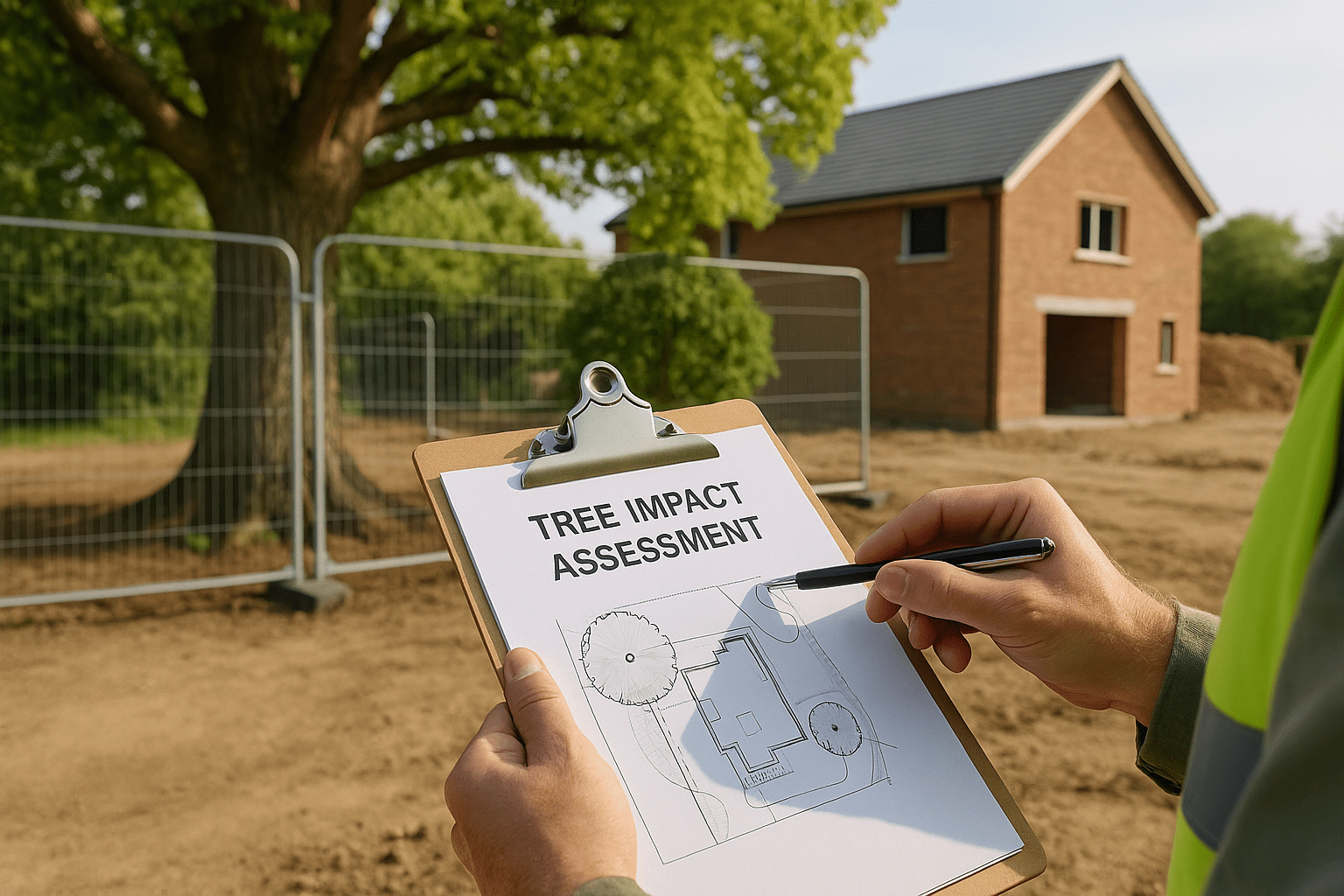
How Arboricultural Impact Assessments Prevent Costly Delays for Developers
When embarking on a development project, arboricultural impact assessments deliver vital clarity and compliance for successful planning applications. In London and the South East, developers, planners, and architects rely on these specialist reports to satisfy local authority requirements and protect both their investment and local tree stock.
What is an Arboricultural Impact Assessment?
An arboricultural impact assessment (AIA) is an expert survey and report assessing how a development might affect the health and retention of trees on and around a site. Prepared in accordance with the BS5837:2012 standard, the AIA identifies potential risks to trees and recommends mitigation strategies to protect them during and after construction.
- Identifies valuable and protected trees
- Evaluates the impact of proposed works
- Guides tree retention, relocation, or removal
- Proposes mitigation for tree protection and landscape value
This process is not only a regulatory requirement but a valuable step towards sustainable development.
Why Your Planning Application Needs an Arboricultural Impact Assessment
Local planning authorities in London and the South East demand robust evidence that developments consider nearby trees. With green infrastructure under increasing scrutiny, an accurate arboricultural impact assessment can be the crucial difference between swift consent and expensive setbacks.
Key reasons to commission a high-quality assessment include:
- Avoidance of planning refusals and costly redesigns
- Protection from enforcement actions or delays
- Support for gaining approval for prestigious projects
- Confidence that design decisions are defensible at appeal
The Arboricultural Impact Assessment Process
Desk-Based Analysis
Consultants begin by studying site maps, tree inventories, and planning policy constraints, such as Tree Preservation Orders (learn more).
Comprehensive Site Survey
Arboricultural specialists survey on-site trees, recording their species, age, size, health, and root protection areas. This detailed data supports risk analysis and tree categorisation in line with BS5837.
Impact Analysis and Recommendations
The AIA evaluates which trees can be retained and those affected by construction. It provides mitigation advice, such as:
- Tree protection fencing guidelines
- Root protection strategies
- Suggestions for replanting or landscape enhancement
Reporting for Submission
Completed reports contain annotated site maps, technical tables, and clear recommendations, ready for submission to the planning authority.
Why Partner with MDJ Arboricultural Consultancy?
With more than 15 years’ expertise, MDJ Arboricultural Consultancy offers robust, BS5837-compliant assessments. Our clients in London and the South East avoid costly setbacks, benefit from practical solutions, and receive sound advice from knowledgeable, fully insured consultants.
- Clear, jargon-free reports
- In-depth experience with local authorities
- Guidance from planning to implementation
- Support for homeowners, developers and councils
View more about our tree development and planning application services on our Trees and Development page.
Frequently Overlooked Issues without Early Assessment
Ignoring the requirement for an AIA can lead to:
- Approval delays and repeat submissions
- Unexpected costs from on-site tree damage
- Breach of legal duties over protected trees
- Loss of valuable landscape quality, impacting property value
Authoritative guidance from the UK government, and the British Standard 5837:2012 (BSI Group) reinforces the necessity of comprehensive planning for trees on development sites.
Compliance and Long-Term Tree Management
Good practices do not end with planning approval. An AIA roadmaps the integration of tree protection into site activities, reducing the risks of costly rectification or legal liability later. Ongoing advice can support risk assessment surveys and woodland management strategies as the development matures.
Take Action and Avoid Risk
Timely, professional arboricultural impact assessments save developers time, money, and reputation. For help with planning, compliance, or technical advice, contact MDJ Arboricultural Consultancy at 07780336000 or visit our contact page.
Authoritative Sources
FAQs
Q: What is included in an arboricultural impact assessment?
A: An arboricultural impact assessment includes a tree survey, assessment of existing trees, evaluation of development impacts, root protection plans, and expert recommendations to minimise tree loss and support planning applications.
Q: Why do I need an arboricultural impact assessment for planning?
A: Planning authorities require an arboricultural impact assessment to ensure developments do not harm significant trees or breach legal requirements, supporting long-term landscape quality and community green space.
Q: How long does it take to complete an assessment?
A: Most assessments can be completed within one to two weeks after an initial site visit, but timing depends on project complexity and accessibility.
Q: Will an AIA help my project avoid delays?
A: Yes, an arboricultural impact assessment identifies potential tree-related challenges early, allowing you to address planning issues proactively and reducing the risk of unexpected delays.
Q: Who prepares an arboricultural impact assessment?
A: Qualified and experienced arboricultural consultants who understand BS5837 and local authority procedures prepare these assessments, ensuring accuracy and reliability.
Q: How do I arrange an arboricultural impact assessment?
A: Contact MDJ Arboricultural Consultancy on 07780336000 or via our contact page to arrange a survey and tailored advice for your development project.