Tree Impact Assessments for Developments Prevent Costly Errors
Tree impact assessments are essential for property developers, architects, planners, and homeowners planning construction projects in London and the South East. Failing to conduct thorough tree impact assessments can lead to significant delays, planning refusals, or expensive remediations. MDJ Arboricultural Consultancy brings over 15 years’ industry experience, ensuring your project complies with BS5837 guidelines, avoids common pitfalls, and meets all relevant local authority requirements.
Understanding Tree Impact Assessments
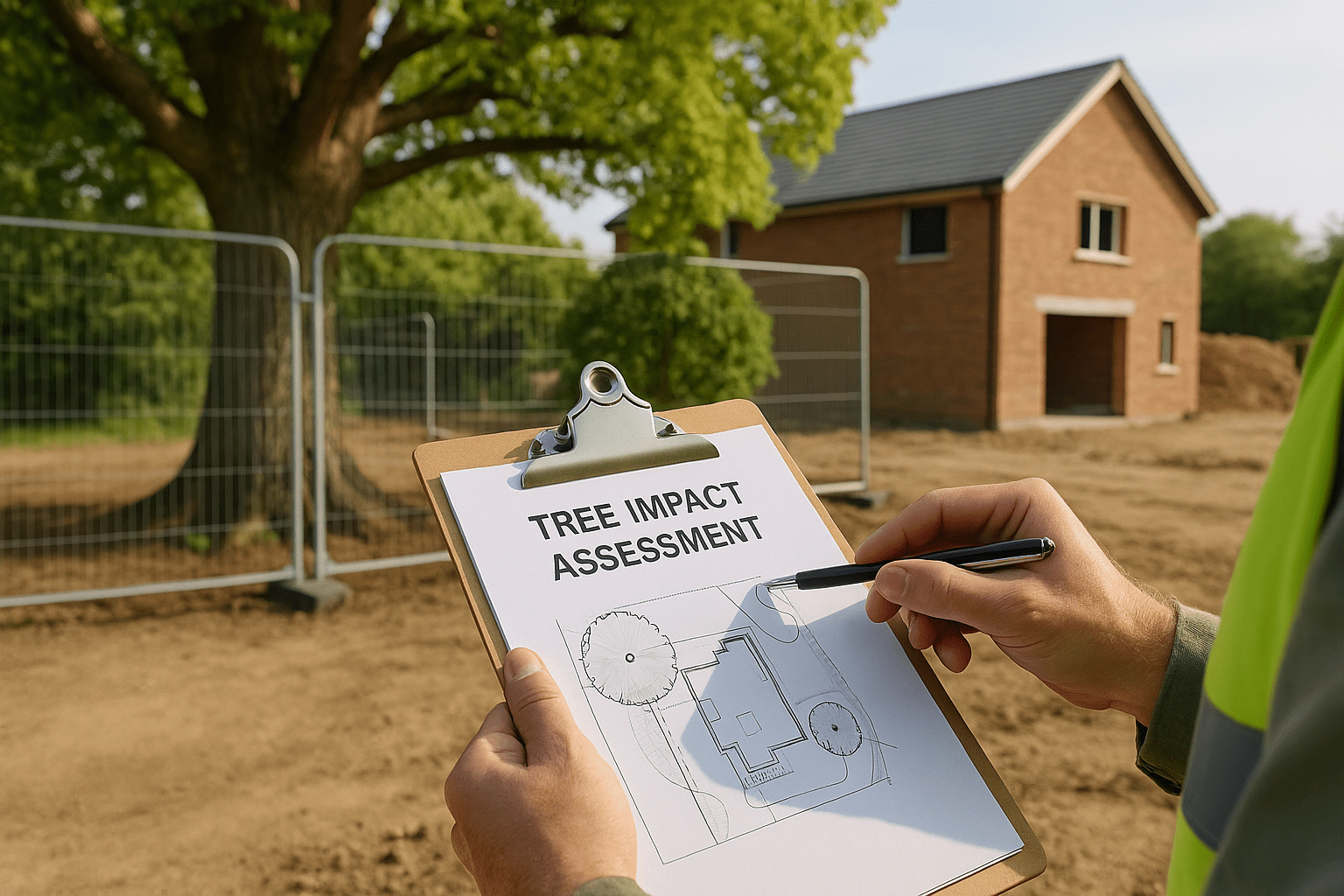
A tree impact assessment examines how your proposed development affects existing trees and how trees may affect your plans. This report, often required under British Standard BS5837:2012, forms a vital part of the planning application process. It details tree categorisation, retention value, root protection zones and recommends mitigation where necessary. Without a well-prepared assessment, development proposals risk being rejected or delayed by local planning authorities.
Common Pitfalls and Negative Consequences
- Unintentional root damage leading to tree decline and increased liability
- Planning refusal due to inadequate arboricultural data
- Delays and costs from needing retrospective or revised reports
- Potential legal consequences if protected trees are harmed or removed
Proactively obtaining comprehensive tree impact assessments is a robust safeguard for both budget and reputation.
Why Developers Must Prioritise Tree Impact Assessments
With increasing emphasis on urban greening, local planning authorities in London and neighbouring counties now rigorously enforce tree protection policy. Proper assessments from an accredited tree consultant such as MDJ Arboricultural Consultancy can result in:
- Streamlined planning approvals
- Reduced risk of costly enforcement action
- Optimised site design and layout
- Clear, defensible documentation for protected trees
For additional details about our Trees and Development (BS5837:2012) services, visit our dedicated page.
What Does a Tree Impact Assessment Include?
An expert tree impact assessment typically covers:
- On-site tree survey with precise mapping
- Tree categorisation and recommendations for retention or removal
- Assessment of root protection areas
- Impact analysis on trees from proposed works
- Protective fencing and mitigation strategies
These technical reports are relied on by planners and often form part of wider arboricultural method statements for more complex schemes (see Government guidance).
Legal and Planning Considerations
Neglecting tree impact assessments leaves projects exposed to a series of risks:
- Breach of Tree Preservation Orders (TPOs) or Conservation Area restrictions
- Contravention of local authority development policies
- Increased likelihood of community or environmental objections
- Potential warranty or insurance complications
Engaging a qualified tree consultant ensures your reports stand up to planning scrutiny and legal requirements. For more about managing TPOs, view our service page.
How MDJ Arboricultural Consultancy Supports Your Development
We combine technical knowledge with practical experience. Every tree impact assessment includes detailed, jargon-free advice and robust mapping for clear site coordination. Our qualified team:
- Conducts site visits within London and the South East
- Delivers fully compliant BS5837 reports for planning
- Supports with ongoing development queries and project management
- Helps safeguard against enforcement action for non-compliance
Contact us on 07780336000 or via the contact page to book your assessment or for free initial advice.
Working with Other Professionals
We frequently collaborate with planning officers, architects and engineers to create integrated site solutions that satisfy both design objectives and statutory requirements. Early-stage involvement means :
- Potential constraints are flagged before submission
- Efficient coordination between tree reports and other technical documents
- Enhanced approvals process by addressing authority concerns upfront
Resources for Further Reading
- Arboricultural Association’s guide to UK tree law
- RICS: Guide to BS5837:2012 and development
- Historic England: Trees and the planning system
Key Takeaways
- Tree impact assessments are essential to avoid project risks and costs.
- Choose an independent, accredited consultant for robust, planning-compliant reports.
- MDJ Arboricultural Consultancy offers tailored advice for developers and homeowners in London and the South East.
- Stay educated on protected trees and changing legislation to maximise site potential while safeguarding the environment.
Frequently Asked Questions
A: A tree impact assessment studies the effects of proposed developments on surrounding trees and vice versa. It is essential for planning applications and to prevent damage to valuable or protected trees.
A: Local authorities often require tree impact assessments for planning permission on sites with mature or protected trees. Architects, developers and homeowners benefit from them to ensure compliance and avoid costly mistakes.
A: BS5837 sets out best practice for tree surveys and reporting. Compliance ensures consistency, quality and acceptance by planning authorities.
A: You risk planning refusal, enforcement fines, delays or expensive remedial works. Harm to protected trees can also result in prosecution.
A: Depending on site complexity, reports generally take 1-2 weeks from survey to submission. Early booking with MDJ Arboricultural Consultancy speeds up the process.
A: Yes. A valid, expert assessment demonstrates legal responsibility and can defend against claims if an incident arises relating to site trees.