
Improve your local environment with effective woodland management practices
Enhance Your Woodland Management in Hersham Experience
Contact Us
Unlock the full potential of your green spaces with expert Woodland Management in Hersham. Your woodland deserves the best care to thrive, and with tailored management strategies, you can ensure its health and vitality for years to come. Whether you’re looking to enhance biodiversity, create a recreational area, or simply maintain the natural beauty of your land, professional woodland management is key to achieving your goals. Let your woodland flourish and become a haven for wildlife and a peaceful retreat for you and your community.
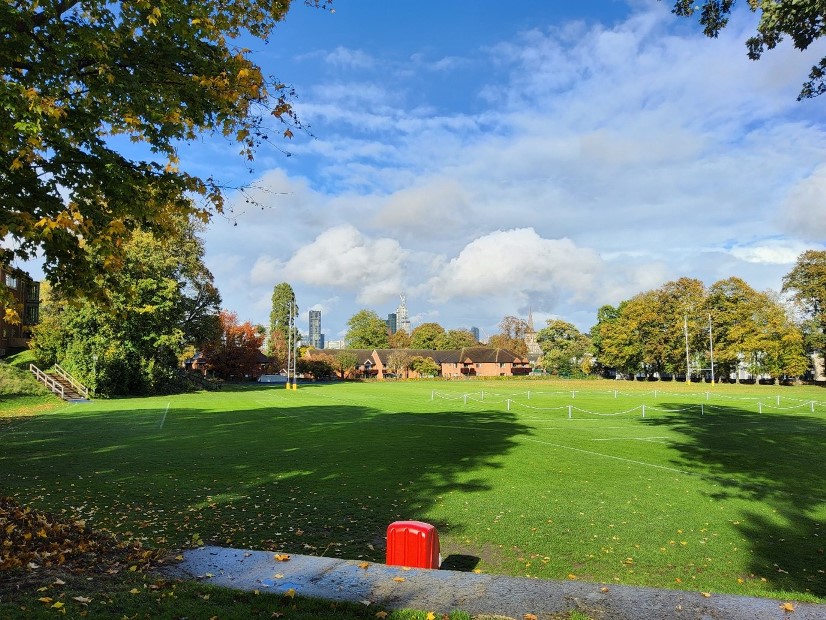
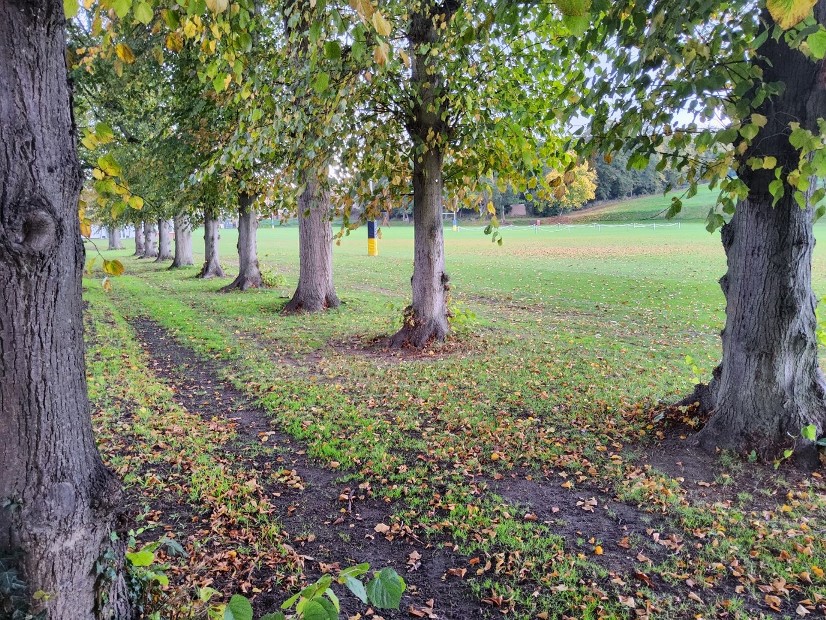
Key Benefits for Woodland Management in Hersham
Enhanced Biodiversity
By participating in woodland management in Hersham, you contribute to preserving and increasing the diversity of plant and animal species in your local forested areas.
Sustainable Recreation
Woodland management ensures that you can enjoy recreational activities such as walking, birdwatching, and cycling in a well-maintained natural environment that is safe and accessible.
Improved Air Quality
Your involvement in woodland management helps to maintain healthy forests that act as natural air filters, providing you with cleaner air by absorbing pollutants and releasing oxygen.
Carbon Sequestration
Through effective woodland management, you are directly aiding in the fight against climate change as trees absorb carbon dioxide, helping to reduce the overall carbon footprint of your community.
Economic Opportunities
Supporting woodland management in Hersham can lead to the creation of local jobs and sustainable materials, fostering economic growth while ensuring the protection of natural resources for future generations.
Join the Hersham woodland preservation efforts today! Lend a hand in managing our precious woods. For more information, contact us and get involved!
If you own or manage woodland in Hersham, choosing MDJ Arboricultural Consultancy Limited for your woodland management needs means you’ll benefit from expert advice tailored to your specific situation. Their team understands the delicate balance of maintaining a healthy, sustainable woodland that meets your objectives, whether for conservation, recreation, or timber production. With their knowledge and experience, they can help you navigate the complexities of tree health, biodiversity, and legal compliance, ensuring your woodland thrives for years to come. For more details on how they can assist you, feel free to contact us or learn more about us and the services offered.
Our arboricultural services include…
Trees and Development

A range of services to consider trees in new developments and planning applications. Site visits, documentation and tailored packages to help you navigate the legislation around trees and their impact on your next project.
Tree Risk Assessment Surveys

Bespoke surveys to ensure the trees on your property aren’t a threat to public safety. The professional reports you receive will identify any potential risks and provide advice and solutions to provide clear and concise management options.
Tree Preservation Orders (TPOs)

Local Planning Authorities will make TPOs in the interest of public amenity. Our services include helping you navigate the application process and also how to launch an appeal where a Tree Preservation Order is already in place.
Trees &
Subsidence

Trees can cause or contribute to building damage by extracting moisture from the soil and causing subsidence. Our services include preliminary advice and recommendations and taking instructions from insurance companies.
Woodland Management in Hersham FAQs
What is woodland management and why is it important?
Woodland management involves the application of forestry and conservation principles to maintain and improve the health, productivity, and biodiversity of wooded ecosystems. It is essential for ensuring sustainable forest resources, providing habitats for wildlife, and contributing to the overall health of the environment.
How often should woodlands be thinned, and what are the benefits?
Thinning should be carried out periodically, typically every 10 to 20 years, depending on the woodland’s specific conditions and objectives. Benefits include improved tree growth, increased biodiversity, reduced risk of disease and pests, and enhanced woodland structure.
What are the best practices for maintaining biodiversity in woodlands?
Best practices include preserving a variety of tree species and ages, creating open spaces such as glades and rides, maintaining deadwood for habitat, controlling invasive species, and ensuring connectivity with other natural habitats for wildlife movement.
Can public access be incorporated into woodland management plans?
Yes, public access can be integrated into woodland management plans by creating and maintaining trails, providing signage, and ensuring that recreational use is balanced with conservation efforts to protect the woodland ecosystem.
What role do native species play in woodland management?
Native species are crucial as they are adapted to the local environment and support local wildlife. Using native species in woodland management helps maintain ecological balance, resilience to pests and diseases, and provides habitat for native flora and fauna.
How can I get involved in woodland management or volunteer?
There are numerous ways to get involved, including volunteering with local conservation groups, participating in tree planting events, or supporting reforestation projects. For more information on how to contribute, please contact us.
Hersham, Surrey